
The Timeless Charm of Card Games: From Parlour Pastimes to Modern Obsessions

Introduction: A Deck of Endless Possibilities
There is something undeniably magnetic about a simple deck of cards. Fifty-two rectangles of paper and ink hold within them centuries of tradition, intrigue, and endless variation. Card games are a testament to the enduring power of human creativity—a pastime equally at home in aristocratic drawing rooms, bustling casinos, and family kitchens. In an age dominated by digital diversions, the humble card game retains its place as a beloved source of entertainment, strategy, and connection.
A Brief History: From Ancient Origins to the Modern Deck
Card games boast a lineage stretching back nearly a millennium. Historians believe that playing cards first emerged in 9th-century China, where woodblock-printed paper cards were used for games of chance. As they migrated along trade routes through India, Persia, and Egypt, cards evolved in design and symbolism.
By the 14th century, playing cards arrived in Europe. Early decks often depicted royalty and religious imagery. France standardized the suits we know today—hearts, diamonds, clubs, and spades—while Italy and Spain added their own variations. As printing technology advanced, cards became cheaper and more accessible, turning a pastime once reserved for nobility into a popular form of amusement for people of all classes.
The Universal Appeal of Card Games
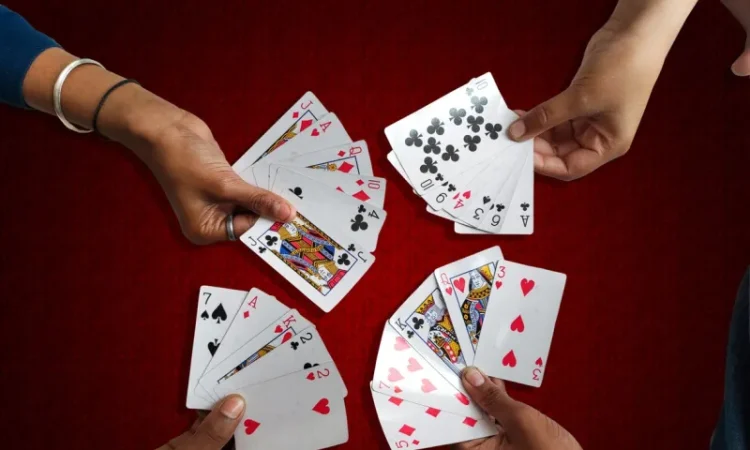
Why do card games continue to thrive in an era overflowing with entertainment options? Their beauty lies in their versatility. A single deck can serve countless purposes: it can pit players against each other in cutthroat competition or bring families together in friendly fun. It can test memory, probability, bluffing, and logic. No batteries required—just shuffle, deal, and play.
Categories of Card Games
Over the centuries, card games have diversified into a dazzling array of forms. Some have endured for generations; others spring up, evolve, or fade away, only to be rediscovered and reinvented.
Classic Trick-Taking Games
-
Bridge: Often dubbed the “king of card games,” bridge is renowned for its depth and complexity. Requiring partnership, bidding, and precise play, it has captivated minds from suburban retirees to Ivy League students.
-
Hearts: A favourite for its simple rules and sneaky strategy, hearts challenges players to avoid collecting certain cards that carry penalty points.
-
Spades: Similar to bridge in its reliance on partnership and bidding, spades balances strategy with the unpredictability of the deal.
Games of Chance and Betting
-
Poker: Perhaps the world’s most famous gambling card game, poker is as much about psychology as probability. Bluffing, reading opponents, and calculating odds make it endlessly fascinating.
-
Blackjack: Another casino staple, blackjack pairs simple rules with strategic depth, making it approachable yet enticing for risk-takers.
Solitaire and Patience Games
-
Klondike Solitaire: Made famous by early computer operating systems, solitaire transforms the solo player into their own opponent, battling the odds and their wits.
-
Spider Solitaire: A more complex cousin of Klondike, this variant challenges players to sort multiple suits in descending order.
Family and Party Card Games
-
Uno: While technically using its own unique deck, Uno exemplifies how the spirit of card games evolves. Its easy rules and colourful cards make it a family staple worldwide.
-
Rummy: Known by countless regional variants, rummy games focus on creating sets and runs, blending luck and skill for hours of casual fun.
Skills Required: More Than Just Luck
To the uninitiated, card games can appear to rely solely on chance. In truth, they demand a unique blend of cognitive abilities.
Strategic Thinking
From bridge to poker, strategy is paramount. Players must calculate odds, weigh risk and reward, and adjust tactics on the fly.
Memory and Observation
In games like blackjack or gin rummy, tracking which cards have been played can give attentive players a crucial edge.
Psychology and Bluffing
Particularly in poker, success often hinges on reading opponents and concealing one’s own intentions—a social dance as much as a mathematical one.
Social Connection: Cards as a Bond
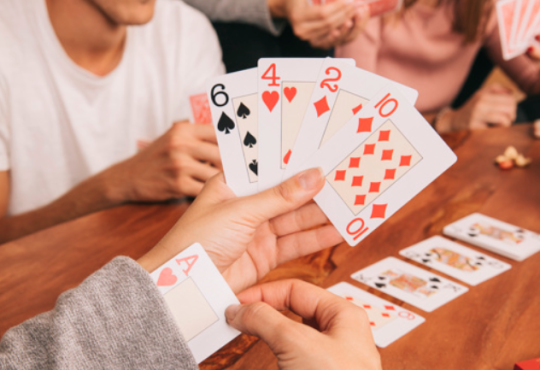
Beyond strategy and skill, card games serve a deeper purpose: bringing people together. A well-worn deck of cards is a universal invitation—deal a hand, share a laugh, pass an evening away from screens and distractions.
Family game nights, bridge clubs, and poker tables all foster conversation, rivalry, and camaraderie. Even when players compete fiercely, the social ritual remains. It is no wonder that for many families, teaching children to shuffle and deal is a rite of passage.
The Modern Revival: Card Games in the Digital Age
Far from being relics of the past, card games have found fresh life in the digital era. Online poker rooms host millions of players worldwide. Mobile apps offer endless solitaire variations. Virtual bridge tournaments connect enthusiasts across continents.
Card-based tabletop games have also exploded in popularity. Modern classics like Magic: The Gathering and digital deck-builders like Hearthstone have reimagined what a “card game” can be, merging traditional mechanics with modern storytelling and competitive play.
The Enduring Magic of a Deck of Cards
Why does a simple deck of cards persist where flashier diversions fade? Perhaps it’s because cards capture so much of what makes play satisfying: the chance to test one’s mind, to socialize, to risk, to laugh, to win or lose with grace. They invite us to step away from routine, to gather with others, to shuffle, to deal, to dream.
Conclusion: The Deck in Your Hands
In an age of endless novelty, the card game remains a small, enduring wonder. It reminds us that joy often lives in simplicity—a familiar deck, a table, a group of friends or family, and the timeless thrill of a hand well played. Whether you’re a master of bridge, a poker bluffing legend, or a casual solitaire fan, every shuffle deals a promise: that for the next few moments, all that matters are the cards in your hands and the stories you create with them.