


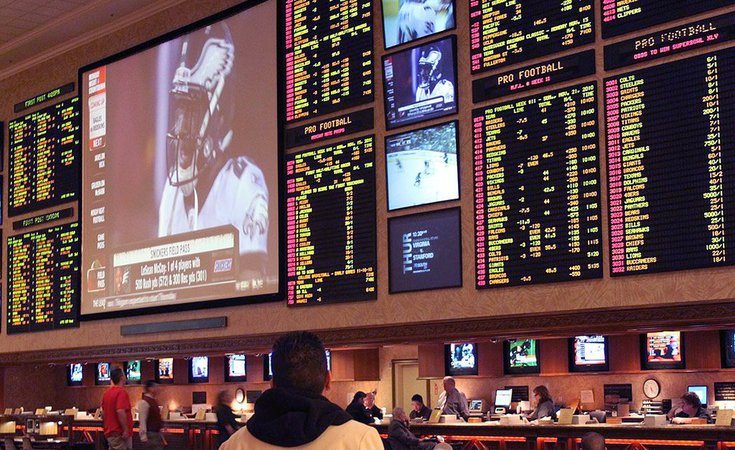
Successful sports betting is rarely about blindly picking winners or relying on sheer luck. Professional bettors approach the markets through the lens of mathematics, probability, and economics. Among all strategic frameworks, value betting stands as the cornerstone of long-term profitability. While casual bettors focus entirely on predicting which team or athlete will win a game, sharp bettors focus on finding discrepancies between the true probability of an event and the odds offered by sportsbooks. Understanding this concept shifts betting from a form of entertainment into a calculated investment strategy.
What is Value Betting?
At its core, value betting occurs when a sportsbook offers odds that are higher than the actual mathematical probability of that outcome occurring. Every betting market features odds that reflect a bookmaker estimation of an event outcome. However, sportsbooks are businesses that factor in profit margins, public bias, and heavy volume on popular teams, which often distorts the true price.
When you identify a scenario where the probability of a bet winning is greater than what the odds imply, you have found a value bet. Over a large sample size, placing only value bets guarantees a positive mathematical expectation, even if individual wagers occasionally lose.
The Mathematics Behind Value
To master value betting, you must understand how to convert odds into implied probabilities and compare them against your own assessed probabilities. Bookmakers typically express odds in American, decimal, or fractional formats. For this framework, decimal odds provide the cleanest mathematical translation.
The formula to calculate implied probability from decimal odds is straightforward. You divide one by the decimal odds. For example, odds of 2.00 represent an implied probability of fifty percent. Odds of 4.00 represent an implied probability of twenty-five percent.
To determine if a bet holds positive value, you multiply your estimated true decimal odds by the bookmaker decimal odds, or use the standard expected value formula. If the resulting value is greater than one, a value opportunity exists.
-
Implied Probability: The percentage chance of an outcome occurring based strictly on the bookmaker price.
-
True Probability: Your independent, data-backed assessment of how often that outcome should occur in a repeated trial.
-
Positive Expectation: A mathematical edge that yields profit over hundreds or thousands of sequenced wagers.
How Sportsbooks Price Markets and Create Mispricings
Sportsbook pricing algorithms process massive amounts of historical data, team statistics, and weather reports to set opening lines. However, these opening lines are only initial hypotheses. Once the market opens, public money floods in, often driven by emotional attachment to star players, popular franchises, or media narratives.
Bookmakers adjust their odds dynamically to balance their liability and ensure they profit regardless of the outcome through the vig or juice. This constant adjustment creates windows of opportunity for sharp analysts.
-
Public Overreaction: Casual bettors heavily back teams coming off high-profile wins, causing sportsbooks to overinflate the odds on the opposing side.
-
Late Injury News: Minor lineup changes or tactical shifts can break faster than a bookmaker can readjust, leaving mispriced odds available.
-
Niche Markets: Lesser-known sports leagues or lower-tier divisions receive less analytical attention from bookmakers, making inefficiencies easier to uncover.
Step-by-Step Guide to Finding Value Bets
Finding mispriced odds requires discipline, analytical skill, and a structured approach to research. You cannot rely on gut feelings or team loyalty.
First, narrow your focus to a specific sport or league. Becoming an expert in a niche market allows you to spot pricing errors much faster than generalists who bet across dozens of different sports.
Second, build or utilize statistical models that calculate true probabilities independent of market odds. Compare these calculated percentages against the best available prices across multiple sportsbooks to spot discrepancies.
Third, shop for the best lines. A bet that offers negative value at one bookmaker might offer positive value at another due to variance in pricing. Maintaining accounts across multiple platforms is non-negotiable for serious value bettors.
Managing Bankroll and Variance
Even the most profitable value bettor experiences losing streaks. Variance is an inherent part of probability and sports wagering. A bet with a high expected value can still lose on any given night simply due to unpredictable game dynamics.
Proper bankroll management protects your capital during inevitable downswings. Bettors typically utilize a staking plan, such as fractional Kelly criterion or flat betting, where a fixed percentage of the total bankroll is wagered on each value opportunity. This ensures that short-term volatility never wipes out your operational funds.
Frequently Asked Questions
What is the difference between value betting and arbitrage betting?
Value betting involves identifying odds that are higher than the true mathematical probability of an event, accepting short-term risk for long-term profit. Arbitrage betting involves placing simultaneous wagers on all possible outcomes of an event across different sportsbooks to guarantee a profit regardless of the result.
Do sportsbooks ban accounts for value betting?
Yes, sharp bookmakers closely monitor account activity. If a bettor consistently places wagers that exploit pricing inefficiencies and beat closing lines, the sportsbook may limit their maximum stake size or close the account entirely to protect their business model.
What is the closing line value and why does it matter?
Closing line value measures the difference between the odds you secured when placing a bet and the final odds right before the event starts. Consistently beating the closing line is the strongest indicator that a bettor is successfully finding value over the long run.
How many bets do I need to place before judging my strategy?
Variance plays a massive role in sports betting, meaning short-term results are heavily influenced by luck. A reliable evaluation of a value betting strategy typically requires a sample size of at least one thousand wagers.
Why do bookmakers allow mispriced odds to exist initially?
Bookmakers must release lines early to attract betting volume and establish market interest. Because they price thousands of global events simultaneously, minor errors or slow updates are inevitable before market forces correct them.
Can beginners find value bets manually without software?
Yes, beginners can find value by specializing in specific niche leagues where public betting volume is low and manual line shopping is easier. However, as markets mature, utilizing statistical models or dedicated tracking tools becomes significantly more efficient.