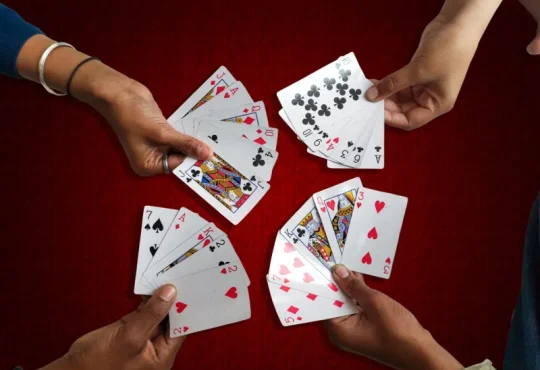


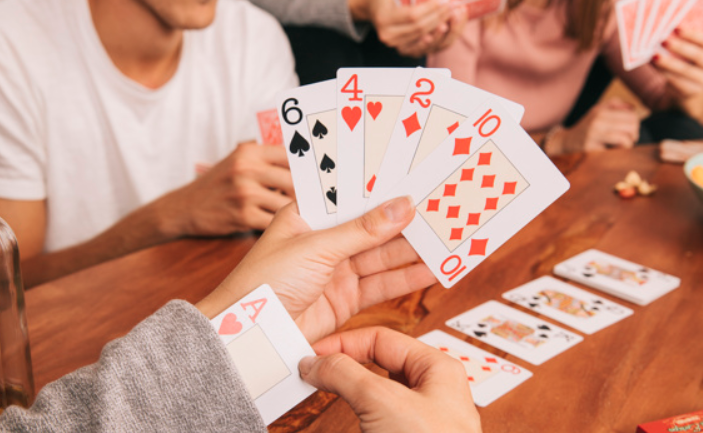
Card games have served as a universal pillar of human entertainment for centuries. From the quiet parlors of Victorian England to bustling modern kitchen tables and competitive digital platforms, shuffling a deck of 52 cards remains one of the most accessible and engaging pastimes known to civilization. Whether you are looking to pass the time during a rainy afternoon, test your strategic thinking against sharp opponents, or liven up a weekend social gathering, understanding the mechanics, history, and varieties of card games opens up a vast world of interactive leisure.
The Fascinating History of Playing Cards
The origin of playing cards traces back across centuries and continents, evolving from ancient gaming tiles and paper money in medieval Asia. Historians generally agree that early paper cards emerged in China during the Tang dynasty around the ninth century, initially serving as both currency and instruments for wagering.
As trade routes expanded along the Silk Road, playing cards gradually migrated westward through Islamic territories into medieval Europe by the late fourteenth century. European artisans adapted the suits and court designs to reflect their own feudal societies, eventually paving the way for the standard French suit symbols of spades, hearts, diamonds, and clubs that dominate global decks today. The invention of the printing press revolutionized production, transforming cards from luxury items crafted by hand for the nobility into affordable goods accessible to the general public.
Anatomy of a Standard Deck
Before diving into specific rules or strategies, it helps to understand the physical makeup of a traditional standard international deck. While numerous specialized games require custom decks with unique symbols or numerical distributions, the standard 52-card deck remains the universal foundation for most traditional card games.
-
The Four Suits: A standard deck is divided evenly into four suits consisting of spades, hearts, diamonds, and clubs. In most traditional games, suits hold equal value, though certain trick-taking games designate specific suits as permanent trumps.
-
Rank Hierarchy: Each suit contains thirteen distinct ranks, usually ordered numerically from two up to ten, followed by face cards including the jack, queen, and king.
-
The Ace: The ace typically functions as either the highest-ranking card or the lowest-ranking card depending on the specific rules of the game being played.
-
Jokers: Most modern decks include two additional jokers, which are frequently utilized as wild cards or special modifiers in specific game variants like euchre or rummy.
Major Categories of Card Games
Card games are remarkably diverse, spanning numerous genres that appeal to different styles of play, player counts, and cognitive skill levels. Exploring these primary categories helps players discover new favorites.
Trick-Taking Games
Trick-taking games revolve around players playing individual cards sequentially into a central pool, with the highest card of the led suit or a trump card capturing the entire trick. Success depends on careful memory, accurate hand evaluation, and strategic card retention.
-
Bridge: Widely regarded as one of the most intellectually demanding partnership card games in existence, requiring complex bidding conventions and deep tactical planning.
-
Spades: A highly popular partnership game where players bid on the exact number of tricks they expect to capture during each round.
-
Euchre: A fast-paced, four-player game utilizing a reduced deck of 24 to 32 cards, heavily reliant on teamwork and aggressive trump management.
Shedding and Matching Games
These games require players to discard cards from their hands based on specific matching criteria, with the primary objective being the complete depletion of one’s hand before opponents do the same.
-
Crazy Eights: A classic shedding game where players match the rank or suit of the previously discarded card, utilizing eights as wild cards to alter the active suit.
-
Uno: Though traditionally played with a custom proprietary deck, this commercial favorite operates on the core mechanics of traditional shedding games like Mau-Mau.
-
Go Fish: A simple matching game geared toward younger players, focusing on memory and asking opponents for specific ranks to complete sets of four.
Rummy and Meld Games
Rummy-style games challenge players to draw and discard cards strategically to form specific combinations, such as sets of matching ranks or consecutive runs within the same suit.
-
Gin Rummy: A two-player game focused on minimizing unmatched deadwood cards in hand while striving to form valid melds before your opponent knocks.
-
Canasta: A partnership game utilizing two full standard decks plus four jokers, where players aim to build high-scoring melds known as canastas.
Betting and Bluffing Games
While many card games incorporate elements of wagering, poker and its variants elevate betting into the core strategic engine of the entire experience.
-
Texas Hold em: The most dominant form of poker worldwide, combining private hole cards with shared community cards to construct the best possible five-card hand.
-
Five-Card Draw: A classic introductory poker variant where players receive a complete hand, discard unwanted cards, and draw replacements in a single attempt to improve.
Core Strategies for Card Game Success
While luck plays a substantial role in the initial distribution of cards, consistent success across most table games relies heavily on skill, observation, and psychological discipline.
-
Master Mathematical Probability: Understanding the odds of drawing specific cards or completing specific hands helps players calculate risk versus reward during every turn.
-
Cultivate Careful Observation: Pay close attention to the cards your opponents discard, pick up, or retain. Tracking played cards prevents you from walking into traps or wasting valuable resources.
-
Manage Your Hand Efficiently: Keep your hand organized by suit and rank to avoid revealing tells or fumbling during fast-paced turns. Effective organization streamlines decision-making under pressure.
-
Practice Emotional Control: Whether playing casual poker or competitive bridge, maintaining a steady demeanor prevents opponents from reading your emotional state and exploiting your weaknesses.
The Modern Renaissance of Card Games
Despite the explosive growth of digital entertainment, video games, and mobile applications, physical card games have experienced a powerful renaissance in recent years. Board game cafes, neighborhood social clubs, and family game nights have driven a surge in popularity for both traditional classics and modern indie card creations. Furthermore, collectible card games and trading card titles have cultivated massive global communities where players build custom decks and compete in organized international tournaments. This enduring appeal proves that the tactile experience of shuffling a deck of cards and interacting face-to-face with friends and family remains irreplaceable.
Frequently Asked Questions
What is the oldest known card game in recorded history?
Historians trace the earliest documented card games back to medieval Asia, with specific references appearing in Chinese literature during the Tang dynasty. Early games involved matching suits or competing for specific numerical values using paper tiles or early paper cards.
How did the standard 52-card deck evolve into its modern form?
The standard deck evolved through various cultural adaptations as cards traveled from Asia through the Middle East to Europe. French card makers during the fifteenth century standardized the suits into spades, hearts, diamonds, and clubs because those simple shapes were easy to stencil and mass-produce using early woodblock printing techniques.
Why do some card games use jokers while others do not?
Jokers were invented in the United States during the nineteenth century specifically for the game of Euchre, where they served as the highest trump card known as the best bower. Over time, other games adopted jokers to serve as wild cards, while traditional games like bridge or poker variants often omit them entirely to preserve strict mathematical probabilities.
What distinguishes a trick-taking game from a shedding game?
Trick-taking games require players to play individual cards into a central round where the highest card captures the collection, with scoring based on the tricks won. Shedding games focus entirely on discarding cards from your hand as fast as possible according to matching rules until no cards remain.
Are all card games considered games of pure chance?
No, while luck dictates the initial shuffle and deal, many card games feature profound tactical depth. Games like poker, bridge, and gin rummy require advanced probability calculation, psychological bluffing, memory retention, and long-term planning, making skill far more important than luck over a series of hands.
How can I keep a standard deck of playing cards clean and durable?
To extend the lifespan of your playing cards, always store them in a dry place inside their protective tuck box when not in use. Avoid eating or drinking while playing to prevent sticky residue, and consider purchasing cards made from 100 percent plastic rather than traditional paper-coated cardboard if you play frequently in outdoor or high-moisture settings.