
Betting Unveiled: An Insightful Journey Through Risk, Reward, and Responsibility


Introduction: The Age-Old Thrill of the Wager
Betting, in its myriad forms, has captivated human imagination for centuries. Whether whispered over a card table or broadcast through sleek online apps, the act of risking something of value in hopes of gain is a timeless human impulse. Yet beneath the glamour and promise of quick wins lies a fascinating story of psychology, culture, and caution—a story that continues to evolve with every technological leap.
Origins of Betting: Where It All Began
Though modern betting houses and online sportsbooks appear to be sleek, high-tech ventures, the roots of betting are ancient. In early civilizations, gambling was a communal pastime. Archaeologists have unearthed dice in Mesopotamia dating back to 3000 BC. The Greeks bet on the Olympics, while the Romans famously wagered on gladiator battles and chariot races. Betting was not merely about money—it was an expression of chance, luck, and the human desire to outwit fate.
With the passage of time, betting matured into an industry. The 17th century saw the rise of the first betting shops in England, primarily centered around horse racing. These establishments laid the groundwork for odds-making, bookmaking, and the regulatory frameworks that shape today’s multi-billion-dollar betting industry.
The Modern Betting Landscape
Fast forward to the present, and betting has expanded far beyond racecourses and smoky card rooms. Modern punters can stake wagers on an astonishing range of activities, from professional sports to political elections and reality TV outcomes.
Key Pillars of Contemporary Betting
-
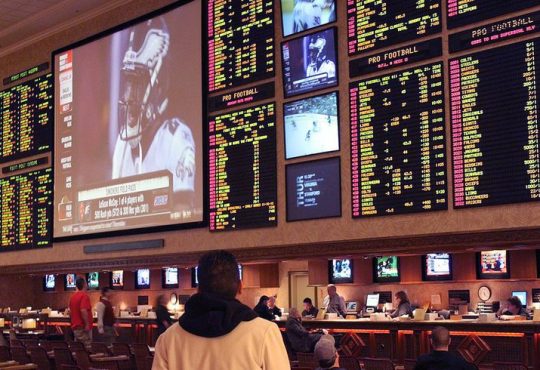
Sports Betting: Still the crown jewel of the industry, sports betting attracts millions of enthusiasts worldwide. Football, cricket, horse racing, and basketball dominate the markets. Live betting, where odds shift as a game progresses, has added a dynamic twist to this classic form.
-
Online Casinos: Digital casinos have made games like poker, blackjack, and roulette accessible to anyone with a smartphone. These platforms replicate the thrill of physical casinos, complete with live dealers and immersive graphics.
-
Esports and Virtual Betting: With the meteoric rise of competitive gaming, esports betting has carved out a significant niche. Virtual sports—computer-simulated matches—keep punters engaged even when real-life events are off-season.
-
Novelty Bets: Today’s bookmakers accept wagers on everything from the winner of a popular talent show to the next country to leave the European Union. This diversification reflects betting’s knack for adapting to public interest.
The Psychology of Risk and Reward
Why do so many people place bets, fully aware that the odds are often stacked against them? The answer lies deep within our wiring. Betting triggers the brain’s reward system, releasing dopamine that creates excitement and anticipation. The ‘near-miss’ effect—where a loss feels close to a win—encourages repeated plays. The randomness and unpredictability keep the human mind hooked.
For some, betting is social glue. Office pools, fantasy leagues, and friendly wagers at the local bar create shared experiences and lively debates. It’s not always about money—it’s about camaraderie, bragging rights, and the thrill of prediction.
Risks and Realities: When Betting Turns Sour
Yet this allure carries a shadow. For countless individuals, betting can slip from harmless entertainment to destructive compulsion. Problem gambling affects families, careers, and mental health. The rise of online betting has made it easier than ever to wager large sums at any hour, often in isolation.
Common Signs of Gambling Addiction
-
Preoccupation with placing bets and chasing losses
-
Lying to family or friends about betting habits
-
Borrowing money to keep betting
-
Neglecting work or responsibilities
To counteract this, many jurisdictions enforce responsible gambling measures. Betting sites now provide self-exclusion tools, spending limits, and reality checks to encourage healthy habits. Educational campaigns remind players to see betting as entertainment, not a guaranteed source of income.
Betting and the Law: A Global Patchwork
Around the world, the legality of betting varies dramatically. In the UK, betting is legal and heavily regulated. Operators must adhere to strict rules to protect consumers and maintain fair play. In contrast, some countries outlaw all forms of gambling, driving the activity underground and making it harder to monitor or control.
The United States, for instance, has witnessed a dramatic shift in recent years. Once restricted mainly to Nevada, sports betting is now legal in over 30 states, spurred by a landmark Supreme Court ruling in 2018. This has opened a lucrative market while also raising questions about consumer protection and problem gambling.
The Tech Revolution: Betting in the Digital Age
Technology has transformed betting more than any other force. Mobile apps allow punters to place bets instantly. Live streaming and in-play betting deliver real-time excitement. Artificial intelligence now helps bookmakers set odds and detect unusual betting patterns. Blockchain technology is emerging too, promising transparent, decentralized betting exchanges where transactions are verifiable and secure.
Emerging Trends Shaping the Future
-
Cryptocurrency Integration: Some betting sites now accept Bitcoin and other digital currencies, offering greater privacy and faster transactions.
-
AI and Big Data: Predictive analytics help punters make informed decisions. AI tools analyze player stats, weather conditions, and past results to refine betting strategies.
-
Virtual and Augmented Reality: The future may see bettors stepping into virtual casinos, mingling with others in lifelike 3D environments.
A Balanced Perspective: Enjoying Betting Responsibly
At its best, betting can be thrilling entertainment—a way to test knowledge, feel connected, and add spice to a sporting event. But like any form of risk, it demands balance. Understanding the odds, setting clear limits, and recognizing warning signs are all part of betting responsibly.
Tips for Safe Betting
-
Always bet with money you can afford to lose
-
Use self-exclusion tools if you feel you’re losing control
-
Take regular breaks to maintain perspective
-
Talk openly with friends and family about your betting habits
Conclusion: Betting in the Modern World
From ancient dice games to today’s AI-driven betting exchanges, the act of placing a wager reveals much about human nature—our love of risk, reward, and the unpredictable. Betting is neither wholly vice nor pure virtue; it’s a form of entertainment that reflects our enduring fascination with chance.
As the industry continues to innovate and expand, the responsibility lies equally with operators, regulators, and punters to ensure that betting remains what it was always meant to be—a game of risk, a dance with fate, and above all, a choice that should never cost more than one is prepared to lose.