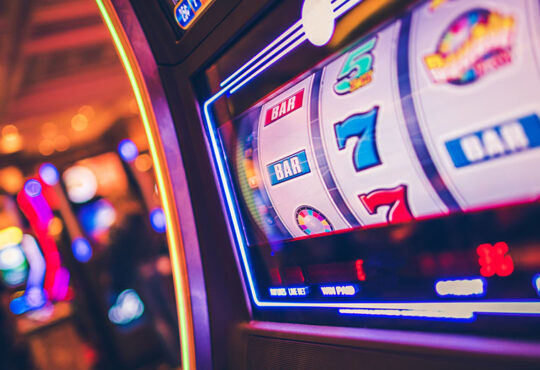

The Evolution and Mechanics of Slot Machines: From Mechanical Marvels to Digital Entertainment

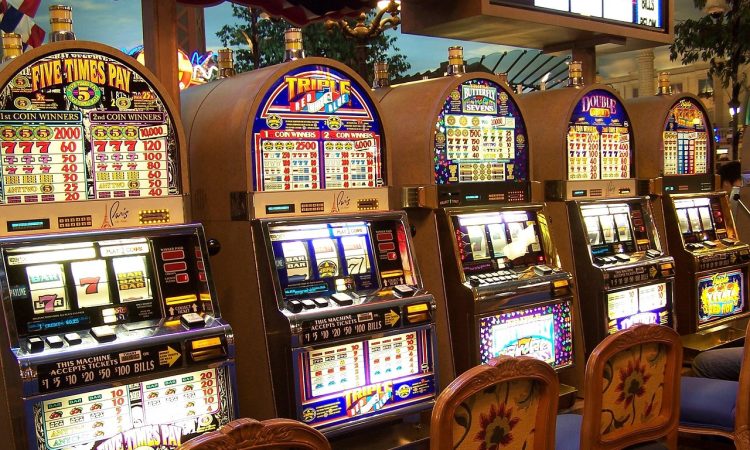
Slot machines stand as the most popular and recognizable attraction on any casino floor, capturing the attention of players with flashing lights, engaging sound effects, and the perpetual promise of a jackpot win. From heavy mechanical devices invented in the late nineteenth century to sophisticated digital software running on modern microprocessors, slots have transformed dramatically over the generations. Understanding how these games operate, the technology behind them, and the mathematical principles that govern payouts can help players approach slot machines with an informed and realistic perspective.
A Brief History of the Slot Machine
The origins of the modern slot machine trace back to the late 1880s and early 1890s in San Francisco, California. Mechanics and inventors sought to automate gambling games to save time and reduce the need for human attendants.
-
The Liberty Bell Machine: Invented by Charles Fey in 1895, the Liberty Bell is widely recognized as the grandfather of all modern mechanical slots. It featured three spinning reels adorned with symbols like horseshoes, diamonds, spades, hearts, and a cracked Liberty Bell. The machine included an automatic coin payout mechanism that could deliver up to fifty nickels for top-tier winning combinations.
-
Fruit Symbols and Bar Logos: In the early 1900s, restrictions on gambling led manufacturers to adapt their machines into vending devices that dispensed chewing gum or candy. This gave rise to fruit symbols such as cherries, lemons, plums, and oranges, alongside the iconic bar symbol derived from an early logo of the Bell-Fruit Gum Company.
-
Electromechanical Revolution: In 1964, Bally introduced Money Honey, the first fully electromechanical slot machine. While it still used physical reels, the internal mechanics were driven by electricity rather than springs and levers, allowing for larger coin hoppers and automated payouts up to five hundred coins without attendant intervention.
-
The Video Slot Era: The late twentieth century brought computer screens and digital microprocessors to the casino floor. Video slots eliminated physical reels entirely, replacing them with virtual graphics and allowing game designers to introduce multi-line betting, bonus rounds, and complex thematic animations.
Anatomy and Core Mechanics of Modern Slots
While physical aesthetics vary wildly from traditional vintage cabinets to immersive modern video screens, the fundamental operational framework of a slot machine relies on advanced computer programming and strict regulatory standards.
The Random Number Generator
Every modern slot machine relies on a Random Number Generator or RNG. This is a specialized computer algorithm that continuously generates thousands of random numerical sequences every single second, even when the machine is sitting idle.
-
Instantaneous Selection: The precise millisecond you press the spin button or pull the physical handle, the RNG locks in the most recent number sequence generated at that exact fraction of a second.
-
Independence of Spins: Each spin is entirely independent of previous outcomes. A machine that has not paid out a jackpot for hours has the exact same mathematical probability of hitting a winning combination on the next spin as a machine that just hit a jackpot moments prior.
Return to Player Percentage
The Return to Player percentage represents the theoretical proportion of total wagers that a slot machine is programmed to pay back to players over an extended period of millions of spins.
-
House Edge Integration: If a slot machine features a 95 percent RTP, it means that theoretically, for every one hundred dollars wagered over the long term, ninety-five dollars is returned to players as winnings, while five percent remains with the house as profit.
-
Short-Term Variance: RTP is a long-term statistical average. In the short term, individual players can experience massive wins or rapid losses due to variance and volatility.
Volatility and Hit Frequency
Slot machine volatility dictates the risk profile of a specific game, influencing how often payouts occur and how large those payouts tend to be.
-
Low Volatility: These games offer frequent, smaller payouts, allowing players to stretch their bankroll over a longer gaming session with minimal risk of rapid depletion.
-
High Volatility: These games feature infrequent payouts, but when winning combinations do occur, the associated prizes are typically much larger and more substantial.
Types of Slot Machines Available Today
The modern gaming industry offers a massive variety of slot configurations designed to suit different player preferences and risk appetites.
-
Classic Three-Reel Slots: Modeled after traditional mechanical machines, these games feature simple paylines, classic fruit symbols, and straightforward gameplay without complex bonus rounds.
-
Five-Reel Video Slots: The dominant format in contemporary casinos, offering dozens or even hundreds of paylines, intricate storylines, high-definition graphics, and interactive secondary screens.
-
Progressive Jackpot Slots: These machines link a small percentage of every wager placed across a network of connected games into a shared, rapidly growing jackpot pool that can reach life-changing sums before resetting upon a win.
-
Megaways Slots: A popular dynamic reel mechanic that alters the number of symbols appearing on each reel during every spin, creating thousands or hundreds of thousands of potential ways to win.
Responsible Gaming and Bankroll Management
Because slot games are designed to be fast-paced and entertaining, establishing responsible habits is essential for maintaining a healthy and enjoyable gaming experience.
-
-
Establish a Fixed Budget: Decide on a specific dollar amount that you can comfortably afford to lose before entering a gaming area, and never exceed that limit under any circumstances.
-
Treat Losses as Entertainment Costs: View money spent on slot play as the cost of admission for an evening of entertainment, similar to purchasing tickets for a concert or sporting event.
-
Ignore False Systems: Understand that betting systems, lucky charms, and timing strategies cannot influence or alter the outcome of a game governed by a certified random number generator.
-
Know When to Walk Away: Whether you are experiencing a losing streak or have successfully hit a profitable win, setting strict win and loss limits prevents emotional decision-making.
-
Frequently Asked Questions
Do slot machines pay out more frequently during certain times of the day or night?
No, modern slot machines operate independently using certified random number generators that function continuously. The time of day, day of the week, or the number of people currently inside the gaming establishment have zero impact on the mathematical probability of winning a spin.
Can casino staff or operators remotely alter the payout percentages of slot machines?
Strict gaming regulations prevent operators from changing payout percentages at will. Any modification to a slot machine software chip or server program requires extensive recertification, state regulatory approval, and physical oversight by gaming commission inspectors.
What is the difference between a payline and a way-to-win game structure?
Traditional paylines require matching symbols to land in specific linear patterns across the reels to trigger a payout. Modern ways-to-win games eliminate traditional lines entirely, awarding prizes whenever identical symbols appear anywhere in adjacent columns from left to right.
Why do some slot machines make celebratory sounds and lights even when a player loses money?
This psychological phenomenon is known as a loss disguised as a win. When a player wagers a specific amount and wins back a fraction of that bet, the machine often triggers celebratory audio and visual cues, creating a false sense of victory despite a net financial loss on the spin.
Are online digital slots fair compared to physical machines found in land-based casinos?
Licensed online casinos utilize digital software counterparts that operate on the exact same principles as physical machines, incorporating certified random number generators and verified return-to-player percentages tested by independent auditing laboratories.
Do higher denomination slot machines offer better mathematical odds?
Statistically, higher denomination machines such as five-dollar or twenty-dollar slots generally feature higher return-to-player percentages compared to penny slots, though they also require significantly larger individual wagers per spin.
Can tracking “hot” and “cold” machines help predict future winning spins?
Tracking hot and cold machines is entirely ineffective because every spin is an independent event. A machine designated as cold is no more likely to hit a jackpot on the next turn than any other machine on the floor.