
The Evolving World of Betting: From Ancient Wagers to Modern Markets


Introduction: A Timeless Human Fascination
Betting is as old as civilization itself. From the dusty amphitheaters of ancient Rome to today’s sophisticated online platforms, the act of staking something of value on an uncertain outcome has intrigued humankind for centuries. What was once an informal pastime whispered in taverns has grown into a global industry worth billions, influencing culture, technology, and even legislation.
A Brief History of Betting
To understand betting’s enduring allure, one must first appreciate its roots. Historians believe that rudimentary forms of betting existed in ancient Mesopotamia, where people wagered on animal fights and rudimentary board games. The Greeks bet on athletic contests, while the Romans took it a step further with organized gladiatorial events and chariot races.
Over time, betting evolved alongside civilization. The invention of playing cards in China and dice games in Egypt laid the groundwork for more structured gambling. By the 17th century, Europe saw the emergence of betting houses, the early ancestors of modern bookmakers. These establishments formalized odds and regulated wagers, transforming betting from a casual diversion into a structured, profitable enterprise.
The Modern Betting Landscape
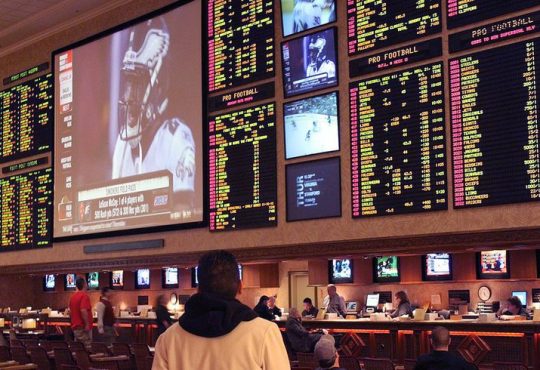
Today’s betting industry is vast and multifaceted. From sports betting and casinos to online poker and fantasy leagues, options abound for punters worldwide. Technological advancements have radically transformed the way people place their bets, breaking down geographical barriers and democratizing access.
Key Modern Betting Arenas
-
Sports Betting: Perhaps the most iconic form of betting, sports wagering has found a global audience. Football, cricket, horse racing, and basketball dominate the market, with betting companies offering live odds and in-play options to keep punters engaged throughout the match.
-
Online Casinos: Digital casinos replicate the glitz and thrill of their brick-and-mortar counterparts. Players can spin slots, play blackjack, or test their luck at roulette—all from the comfort of their living rooms.
-
Esports and Fantasy Sports: The rise of competitive gaming has given birth to a new frontier: esports betting. Similarly, fantasy sports leagues allow fans to bet on virtual teams built from real players, blending skill, statistics, and chance.
-
Novelty and Political Bets: Beyond sports and games, bookmakers now accept bets on events as diverse as election outcomes, award shows, and even the weather.
The Psychology Behind Betting
What drives people to bet? The answer lies in a complex interplay of human psychology. Betting taps into our innate love for competition and reward. The thrill of risk, combined with the anticipation of reward, triggers dopamine—a neurotransmitter associated with pleasure and motivation.
For many, betting is also about belonging. Sharing predictions, debating odds, and celebrating wins foster a sense of community. This social aspect explains the enduring popularity of betting pools among friends, office leagues, and local bookmakers.
The Darker Side: Risks and Responsible Betting
While betting can be entertaining, it is not without its pitfalls. Problem gambling is a real and growing concern, affecting millions worldwide. The ease of access to betting platforms—especially online—has made it harder for some to recognize when casual fun slips into addiction.
Warning Signs of Problem Gambling
-
Frequent thoughts about betting, even during work or family time
-
Increasing wager amounts to chase losses
-
Hiding betting activity from loved ones
-
Borrowing money to continue betting
To combat these risks, responsible betting initiatives encourage moderation and self-awareness. Many platforms now offer self-exclusion tools, deposit limits, and links to support organizations.
Betting and the Law: A Delicate Balance
The legality of betting varies drastically around the world. Some countries embrace it as a significant source of revenue, regulating it through licenses and taxes. Others ban it outright, citing moral, religious, or social concerns.
In regions like the United Kingdom, betting is tightly regulated, with operators required to adhere to strict advertising and fairness standards. In contrast, other countries maintain grey areas, where underground betting rings thrive despite legal prohibitions.
The Role of Technology: Disruption and Opportunity
Technology continues to reshape betting in profound ways. Mobile apps have made it possible to place a wager with a single tap. Live betting allows punters to stake bets in real-time as matches unfold. Blockchain technology is also making inroads, promising transparency and anonymity for bettors worldwide.
Future Trends in Betting
-
Artificial Intelligence: AI-driven odds calculators and predictive analytics are helping both bookmakers and punters make more informed decisions.
-
Virtual Reality: Imagine walking through a virtual casino from your living room, interacting with other players and dealers as if you were there in person.
-
Cryptocurrency Integration: Cryptocurrencies may offer secure, fast transactions, appealing to bettors wary of traditional banking channels.
Conclusion: A World That Keeps Evolving
Betting has transcended centuries, cultures, and continents. It has survived moral panics, legislative bans, and technological upheavals—adapting and growing stronger with each challenge. For many, it remains a source of harmless fun and social engagement. For others, it is a cautionary tale of risk and self-control.
As the world grows ever more connected, betting will likely continue to evolve in ways we can scarcely predict. Whether one sees it as harmless entertainment or a potential vice, one thing is certain: betting is here to stay. The key lies not in banning it altogether but in ensuring that this age-old pastime remains fair, responsible, and, above all, enjoyable.