
Poker: The Enduring Game of Skill, Strategy, and Human Drama

Introduction: More Than Just Cards on a Table
Poker is far more than a card game played with chips and a deck. It’s an intricate contest of skill, patience, and human psychology—a game where reading people can matter as much as reading hands. From dimly lit saloons of the American frontier to the glittering halls of Las Vegas and the live streams of online tournaments, poker has evolved but never lost its aura. It remains one of the few casino games where a skilled player can consistently outplay opponents and shift the odds in their favor.
A Brief History: Poker’s Colorful Past
While the exact origins of poker are debated, most historians trace its lineage to a blend of European card games like the French “poque” and the Persian game “as nas.” By the early 19th century, poker was flourishing on the riverboats of the Mississippi, a favorite pastime among gamblers, soldiers, and drifters. It spread westward with pioneers and gold prospectors, cementing its place in American folklore.
In the 20th century, the game underwent a transformation. The World Series of Poker (WSOP), established in 1970, helped elevate poker from smoky backrooms to an internationally recognized sport of skill. Today, televised tournaments, online platforms, and a global player base have secured poker’s place as the world’s most popular card game.
Understanding the Basics: Rules That Shape the Game
At its core, poker is deceptively simple. Players compete for a pot, wagering chips on who holds the best hand—or who can convince others they do. There are countless variations, but Texas Hold’em has become the gold standard, especially for televised and online play.
The Basic Flow of Texas Hold’em
-
Hole Cards: Each player receives two private cards.
-
Community Cards: Five cards are dealt face up in stages (the flop, turn, and river).
-
Betting Rounds: Players bet after each deal, with the chance to check, bet, call, raise, or fold.
-
Showdown: If two or more players remain after the final bet, the best five-card hand wins the pot.
Hand Rankings to Remember
-
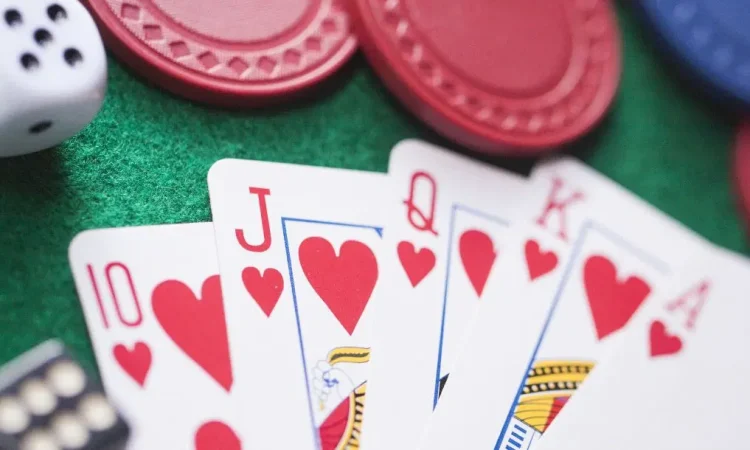
Royal Flush: A, K, Q, J, 10, all the same suit
-
Straight Flush: Five consecutive cards of the same suit
-
Four of a Kind: Four cards of the same rank
-
Full House: Three of a kind plus a pair
-
Flush: Five cards of the same suit, any order
-
Straight: Five consecutive cards, any suits
-
Three of a Kind: Three cards of the same rank
-
Two Pair: Two pairs
-
One Pair: One pair
-
High Card: None of the above
Why Poker Captivates: The Mind Game Beneath the Cards
Unlike pure games of chance, poker weaves strategy, psychology, and probability into every hand. This layered complexity keeps even veteran players intrigued for a lifetime.
Key Elements That Make Poker Unique
-
Bluffing: Perhaps poker’s most legendary feature. The ability to convince others you hold a stronger hand than you do—or disguise a monster hand as weak—can be worth more than the cards themselves.
-
Position: When you act in the betting order matters. Playing “in position” (acting after your opponents) offers more information and control.
-
Bankroll Management: Professional players know how to manage risk, bet wisely, and avoid emotional decisions.
-
Reading Opponents: The subtle art of observing tells—gestures, betting patterns, timing—can turn an average player into a formidable one.
Famous Variants: Beyond Texas Hold’em
While Texas Hold’em dominates modern poker, other variants continue to flourish, each with its own devoted fanbase.
Popular Poker Variants
-
Omaha: Similar to Hold’em but with four hole cards and higher hand strengths.
-
Seven-Card Stud: Once the king of poker, with no community cards and more reliance on memory.
-
Five-Card Draw: The classic draw poker seen in old Westerns—each player draws new cards to improve their hand.
-
Razz: A lowball game where the weakest hand wins, flipping traditional rankings on their head.
The Rise of Online Poker: Changing the Game
The late 1990s and early 2000s brought poker into the digital age. Online platforms like PokerStars and partypoker turned local games into global arenas, connecting amateurs with pros in real time. The “Moneymaker Effect,” named after Chris Moneymaker’s legendary 2003 WSOP win after qualifying online, sparked a poker boom that endures today.
Live streaming has added another dimension, with Twitch and YouTube letting fans watch elite players and learn strategy in real time. Mobile apps, online satellites, and virtual cash games have made poker more accessible than ever before.
The Dark Side: Risks and Pitfalls
Poker, for all its skill, is not without hazards. Many aspiring players underestimate variance—the swings of luck that even seasoned pros must weather. Poor bankroll management, emotional tilt (making irrational bets after losses), and overestimating one’s skill can lead to ruin.
Staying Sharp: Tips for Responsible Poker Play
-
Know Your Limits: Set strict budgets for your poker sessions.
-
Study the Game: Read strategy books, watch tutorials, and learn from your mistakes.
-
Play Within Your Bankroll: Never risk money you can’t afford to lose.
-
Take Breaks: Mental fatigue clouds judgment faster than any bad beat.
-
Respect the Game: Poker rewards discipline more than reckless bravado.
Poker’s Enduring Legacy: Why the Game Persists
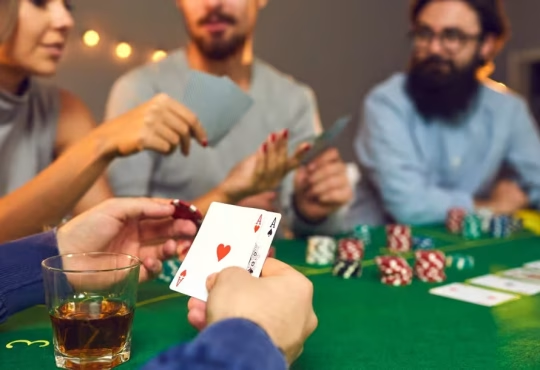
What keeps players returning to the felt decade after decade? It’s not just the chance of winning money—it’s the thrill of testing wits, reading human nature, and making bold plays under pressure. Poker is a rare blend of luck and mastery, chance and choice. Every shuffle, every hand, is a new puzzle to solve.
For the professional, poker is a career. For the casual player, it’s an electrifying social ritual, a reason to gather friends around a table deep into the night. For everyone in between, it’s a chance to see just how far a good hand—and a little nerve—can take you.
Conclusion: The Card Game That Tests More Than Luck
Poker is not merely a pastime; it’s a study of life’s unpredictability and the choices we make in the face of it. It invites players to bluff, to calculate, to trust instinct, and to gamble—sometimes recklessly, sometimes wisely. The next time you sit down at a poker table, remember: every hand is more than cards. It’s a story, a test, and a challenge to outthink not just the odds, but the people across from you. And that, perhaps, is why poker will never fold.