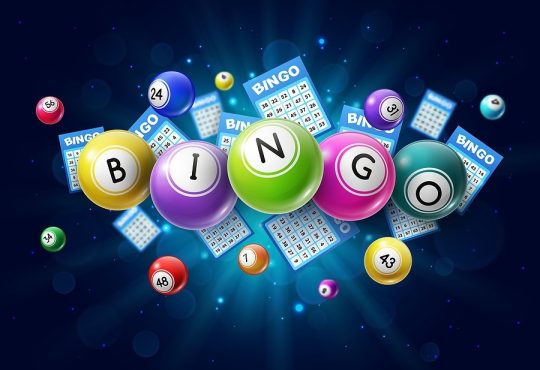

Bingo: The Classic Game Reimagined for a Modern World

Introduction: A Game That Defies Generational Boundaries
In an era dominated by fast-paced video games and high-stakes digital gambling, one might assume that a game like bingo would quietly fade into obscurity. Yet, despite its age and simplicity, bingo continues to capture the attention of millions across the globe. It is more than a nostalgic relic; it is a vibrant, evolving form of entertainment with roots in community, tradition, and a universal love for chance. Whether played in echoing church halls, lively community centers, or sleek online platforms, bingo endures because it taps into something deeply human—our desire for connection, suspense, and the thrill of an unexpected win.
The Rich History Behind the Bingo Card
The origins of bingo stretch back to 16th-century Italy, where a lottery game known as “Il Gioco del Lotto d’Italia” captured the public imagination. It migrated to France in the 18th century, becoming a favorite among the aristocracy, and eventually found its way to Germany, where it was used as an educational tool for teaching children math and spelling. By the early 20th century, the game had taken root in the United States, thanks to a New York toy salesman named Edwin S. Lowe. Upon witnessing a similar game called “Beano” at a carnival, he saw commercial potential. When a player excitedly cried out “Bingo!” instead of “Beano,” the name stuck, and a modern version of the game was born.
Simple Mechanics, Timeless Appeal
One of bingo’s most alluring features is its simplicity. Players are given cards with a 5×5 grid of numbers, and a caller announces randomly drawn numbers. As the game progresses, players mark off matching numbers. The goal is to complete a specific pattern—most commonly a horizontal, vertical, or diagonal line. When this happens, the player calls out “Bingo!” and claims their prize.
This structure allows for a low barrier to entry, making it accessible to players of all ages and backgrounds. No complex strategies are required. The outcome is purely chance-based, which levels the playing field and makes each game a fresh, unpredictable experience.
Why Bingo Still Resonates Today
In a world filled with ever-evolving entertainment, what is it about bingo that continues to draw players in? The answer lies in its ability to foster social interaction, provide mental stimulation, and deliver a consistent sense of enjoyment.
Key reasons bingo remains relevant include:
-
Community Connection: Whether played in-person or online, bingo brings people together. It creates a sense of camaraderie and shared excitement that is rare in many other forms of gaming.
-
Mental Engagement: Though luck-based, bingo requires attentiveness and quick reflexes. Players must stay focused to spot the numbers as they’re called, offering a subtle but beneficial mental workout.
-
Inclusive Nature: Bingo doesn’t discriminate. It welcomes seniors, young adults, and even children in some formats. It is this inclusivity that gives the game its cross-generational charm.
-
Flexible Formats: From traditional paper cards to sophisticated mobile apps, bingo has gracefully adapted to technology without sacrificing its core essence.
The Digital Transformation of Bingo
While the image of bingo may still conjure scenes of quiet halls and careful number marking, the digital age has radically expanded its presence. Online bingo platforms now attract a diverse global audience, offering themed rooms, real-money prizes, and interactive chat features. This evolution has rejuvenated the game for a new generation, many of whom may never have played it in a traditional setting.
Mobile apps and web-based platforms have made bingo more convenient and engaging than ever. Players can log in anytime, play a quick game on their lunch break, or join massive weekend tournaments. These platforms also incorporate social features, allowing users to chat with fellow players, participate in mini-games, and even earn loyalty rewards.
Bingo and Charity: A Game That Gives Back
One of the often-overlooked aspects of bingo is its deep connection with charitable fundraising. Across the globe, bingo nights are a staple of nonprofit events, community drives, and church fundraisers. Its low cost and ease of organization make it an ideal tool for bringing people together in support of a good cause.
Many local communities rely on bingo events not only for entertainment but also for sustaining essential programs. From funding youth sports to supporting senior care initiatives, the game continues to play a meaningful role in civic life.
Bingo as a Cultural Touchstone
Beyond its entertainment value, bingo holds a unique place in popular culture. It has been referenced in movies, television, literature, and music. In countries like the United Kingdom, bingo is almost a cultural rite of passage, with dedicated bingo halls that serve as vibrant community hubs.
In the United States, bingo is often associated with church socials and school fundraisers, yet it also finds expression in modern, tongue-in-cheek iterations like drag bingo and trivia hybrids. These formats inject humor and creativity, attracting younger crowds while keeping the game relevant and fresh.
Psychological Rewards: The Joy of Anticipation
Bingo’s emotional appeal cannot be underestimated. Each number called builds anticipation. The possibility of victory hangs in the air with every turn. Unlike many games that pit player against player, bingo is a collective experience. Multiple people may win, but everyone shares the suspense. That sense of shared anticipation and release is a powerful emotional driver.
Moreover, because wins are based purely on chance, each player has the same probability of winning, regardless of experience or skill. This equality enhances enjoyment and makes the game feel fair and approachable.
Conclusion: A Game With Heart, History, and a Bright Future
Bingo’s longevity is no accident. It thrives because it offers something rare: a blend of simplicity, inclusivity, and community that resonates across time and culture. In a world that often prioritizes speed, complexity, and solitary engagement, bingo stands as a comforting counterbalance. It is a game that celebrates togetherness, that welcomes both newcomers and old hands, and that adapts to change while remaining rooted in its joyful origins.
Whether you’re playing for charity in a school gymnasium, catching a quick game on your smartphone, or enjoying a themed bingo night with friends, one thing is clear—bingo is more than a game. It’s a tradition, a celebration, and a testament to the enduring appeal of shared human experience.