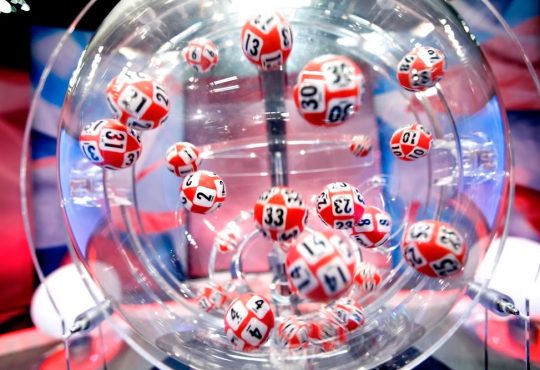

Lottery: The Allure of Chance, Hope, and the Cost of Dreams


Introduction: A Ticket to Tomorrow
For centuries, the lottery has enchanted millions across continents, classes, and cultures. A simple slip of paper, a row of hopeful numbers, and the tantalizing whisper that today—against all odds—could be your day. The lottery is more than a game of chance; it is a testament to the human desire for a shortcut to a better life, a modern myth where luck promises to rewrite destiny overnight.
A Brief History: Ancient Roots of a Modern Obsession
Lotteries are not a modern invention. They date back to ancient civilizations that used rudimentary forms of drawing lots to allocate property, settle disputes, and fund public works. In the Roman Empire, Emperor Augustus organized lotteries to repair city infrastructure. During the Renaissance, European monarchies sanctioned state lotteries to refill royal coffers without raising taxes. By the 17th century, England and its American colonies embraced lotteries to build roads, churches, and even prestigious universities like Harvard and Yale.
Over time, the lottery evolved from a civic fundraising tool to a globally recognized entertainment industry. Today’s multi-million-dollar jackpots owe their existence to this colorful, centuries-old lineage.
How Modern Lotteries Work
At its core, the lottery is stunningly simple. Players buy a ticket—physical or digital—and select a combination of numbers. On a set date, a random draw determines the winning numbers. Match them all, and you could claim a life-changing sum.
Common Types of Lotteries
-
National and State Lotteries: Typically run by governments, these lotteries fund public programs, education, and community projects. Examples include Powerball in the United States or the National Lottery in the UK.
-
Scratch Cards: Instant win games where players scratch off panels to reveal hidden symbols or numbers.
-
Online Lotteries: Digital platforms now offer local and international draws, widening access and jackpots.
The Psychology of Playing: Hope, Risk, and Fantasy
Why do millions spend hard-earned money on odds so astronomically small? The answer is complex, rooted in human psychology.
Hope and Escapism
The lottery is a vessel for hope—a harmless daydream of escaping bills, mundane routines, and financial stress. It offers a fleeting sense of control in uncertain lives. For the price of a coffee, one can buy the right to imagine luxury holidays, debt-free homes, and generational wealth.
The Small Price, Big Reward Illusion
Lotteries capitalize on a cognitive bias known as “probability neglect.” People tend to ignore how tiny the chance of winning really is, focusing instead on the huge jackpot figures. A one-in-300-million chance feels more possible than it logically is when hope clouds rationality.
Social Proof and Community
Draws become community rituals—friends and colleagues pool their tickets, families discuss what they’d do with the money. This social aspect fuels repeat play, even when reality suggests most will never win big.
The Economic Argument: Who Really Benefits?
Lotteries often pitch themselves as a ‘win-win.’ Players chase dreams, while proceeds fund schools, parks, or healthcare. In the United States, state lotteries generated over $90 billion in sales in 2022 alone, with billions directed to public programs.
Yet critics argue lotteries act as a ‘hidden tax,’ disproportionately affecting lower-income communities. Studies show those with fewer resources spend a larger share of income on lottery tickets, lured by the promise of instant wealth they’re statistically unlikely to gain.
Winners and Losers: Life After the Jackpot
Lottery folklore is full of rags-to-riches stories—plucky workers turned millionaires overnight. But winning doesn’t guarantee happiness or wisdom.
Common Pitfalls for Lottery Winners
-
Sudden Wealth Syndrome: Many winners, unprepared for the responsibility of managing large sums, squander fortunes in a few short years.
-
Family and Friends: Overnight millionaires often face waves of requests from relatives and strangers alike, straining relationships.
-
Legal and Tax Troubles: Complex tax codes and poor financial advice can leave winners in worse shape than before.
Some countries now require financial counseling for big winners to help them navigate sudden wealth and avoid classic pitfalls.
Modern Trends: Lotteries in the Digital Age
Technology has transformed how lotteries operate and reach players.
Key Developments
-
Online Play: Players can now join draws from anywhere, even entering foreign jackpots with bigger prizes.
-
App-Based Games: Mobile apps offer instant notifications, ticket scanning, and seamless purchases.
-
Blockchain Lotteries: Some innovators have experimented with decentralized, transparent lottery systems built on blockchain, touting fairness and security.
These shifts make the lottery more accessible than ever—but also raise questions about encouraging excessive play and protecting vulnerable consumers.
Responsible Play: A Ticket, Not a Plan
Experts agree: the lottery is entertainment, not a financial plan. Many governments and lottery commissions promote responsible play campaigns.
Tips for Playing Wisely
-
Set a Budget: Decide what you can afford to lose—never spend rent or food money.
-
Avoid Chasing Losses: Buying more tickets does not significantly improve your odds.
-
Enjoy the Fantasy, Accept the Reality: Treat it as a fleeting thrill, not a serious path to riches.
Conclusion: The Enduring Dream
The lottery endures because it speaks to something deep within the human psyche: the dream that fortune could smile upon anyone, anywhere, at any moment. It sells the possibility that fate, for once, might rewrite the rules in your favor.
For most, the thrill is worth the price of admission, provided one remembers that a lottery ticket is not an investment—it’s a story, a daydream, a conversation starter about what might be if luck ever decides to knock on your door.
The best approach is the simplest one: play for fun, dream responsibly, and remember that life’s truest jackpots often lie beyond what can be printed on a ticket stub.