
Mastering the Art of Blackjack: Strategy, Skill, and the Enduring Allure of 21

Introduction: The Timeless Appeal of Blackjack
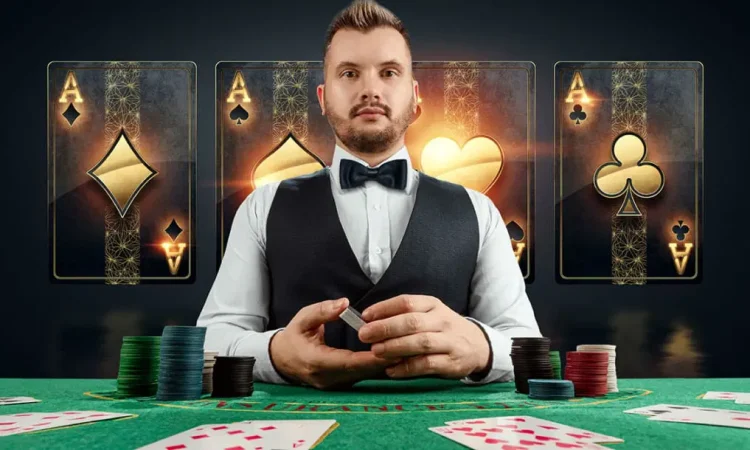
Among all casino games, few have captured the imagination of players quite like blackjack. Known also as twenty-one, blackjack is unique in the gambling world: simple to learn yet endlessly complex to master. It combines chance with strategy, mathematics with psychology. In smoky card rooms, glittering Vegas halls, and sleek online casinos, blackjack has endured as a game where a sharp mind can tip the odds—if only slightly—in the player’s favour.
A Brief History of Blackjack
Blackjack’s precise origins are difficult to pinpoint, but historians trace its roots to early 17th-century Europe. A similar game called “Vingt-et-Un” (French for twenty-one) gained popularity in France during the reign of Louis XV. From France, the game spread to Spain and Italy, carried across the Atlantic by European colonists.
In the gambling halls of early America, casinos offered bonus payouts to attract players—one such payout was a ten-to-one reward for an ace of spades and a black jack (either a jack of clubs or spades). This rare hand gave the game its enduring name: blackjack.
Understanding the Basics: How Blackjack Works
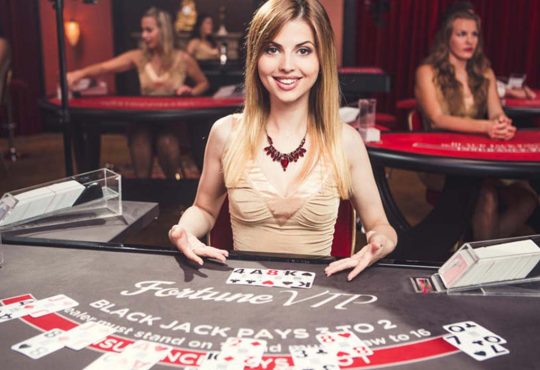
At its core, blackjack is a contest between player and dealer. The goal is deceptively simple: reach a hand value as close to twenty-one as possible without exceeding it. Number cards hold their face value, face cards are worth ten, and aces can be counted as either one or eleven.
Each player is dealt two cards. The dealer reveals one card face up and keeps one hidden. Players then decide whether to “hit” (take another card), “stand” (keep their total as is), “double down” (double their bet for one additional card), or “split” (if the two cards are the same value, they may be split into two hands).
If the player’s hand exceeds twenty-one, they bust and lose the bet immediately. If not, the dealer reveals their hidden card and must draw until they reach at least seventeen. Whoever has the higher total without busting wins.
Why Players Love Blackjack
Unlike many casino games, blackjack offers an element of skill. The house does have an edge—typically around 2% for average players—but smart strategy can reduce that edge to less than 1%.
Players appreciate blackjack for its perfect balance of chance and control. There’s the thrill of the draw—hoping for the perfect card at the perfect moment—but there’s also a deep satisfaction in learning the basic strategy, reading the dealer’s hand, and making calculated decisions.
Fundamental Blackjack Strategy
Success at blackjack hinges on understanding the odds and making the statistically optimal move for every possible hand.
Key Tenets of Basic Strategy
-
Always Hit on Low Totals: If you have eight or less, always hit—there’s no risk of busting.
-
Stand on Strong Hands: Standing is often wiser when you have seventeen or higher.
-
Double Down on 11: If you hold a total of eleven, double down when the dealer shows a lower card.
-
Split Aces and Eights: This gives you the best chance of turning weak or awkward hands into winning ones.
-
Never Take Insurance: This side bet that the dealer has blackjack may seem tempting but statistically erodes your winnings over time.
Most seasoned players commit these principles to memory, often using strategy charts until the moves become second nature.
The Allure and Controversy of Card Counting
No discussion of blackjack is complete without mentioning card counting. Popularized by books like Beat the Dealer and Hollywood films such as 21, card counting is a technique that skilled players use to gain an edge by tracking the ratio of high cards to low cards left in the deck.
When the deck is rich in tens and aces, the odds tip slightly in the player’s favour. By adjusting bet sizes and playing decisions based on the remaining deck composition, a skilled counter can swing the advantage their way—though rarely by more than 1-2%.
Casinos frown upon card counting. While it’s not illegal, most establishments reserve the right to refuse service to anyone they suspect of counting cards. Modern casinos deploy multiple decks, automatic shufflers, and vigilant pit bosses to make counting more difficult.
Blackjack in the Digital Era
In recent decades, blackjack has transitioned seamlessly into the online age. Players can enjoy classic tables, live dealer games, and mobile apps that simulate the thrill of a real casino floor. Some online versions offer side bets and bonus payouts, adding new layers of risk and reward.
Technology has also made it easier for players to practice. Online simulators, strategy apps, and tutorials allow newcomers to learn the game at their own pace, honing skills without risking real money.
Responsible Play: Staying in Control
Like all forms of gambling, blackjack can be a double-edged sword. Its mix of skill and luck makes it uniquely enticing—especially for those convinced they can ‘beat the system.’ But casinos are businesses built on probabilities, and even the sharpest strategies can’t defy the math in the long run.
Smart Tips for Playing Responsibly
-
Set a clear budget before you start playing—and stick to it.
-
Never chase losses; know when to walk away.
-
Take breaks to keep a clear head.
-
Play for entertainment, not as a source of income.
The Lasting Legacy of Blackjack
Blackjack has earned its status as a casino classic for good reason. It’s quick to pick up, endlessly replayable, and offers a rare sense of agency in a world where the house almost always has the final say.
It has inspired books, movies, and legends of players who walked away with fortunes—true or embellished. For some, it’s a casual game to enjoy with friends. For others, it’s a lifelong study in probability, psychology, and the delicate dance of chance and choice.
Conclusion: The Enduring Dance of Chance and Strategy
In the dazzling chaos of the casino, blackjack remains a symbol of calculated risk. It reminds us that even in games of chance, knowledge and discipline can shift the odds—if only a fraction. Whether played in Monte Carlo’s grand halls, Vegas’ neon palaces, or on a smartphone in a quiet living room, blackjack’s allure persists.
For those willing to respect its rules and master its nuances, the game promises something more than fleeting luck—it offers the timeless thrill of outthinking fate, one card at a time.