


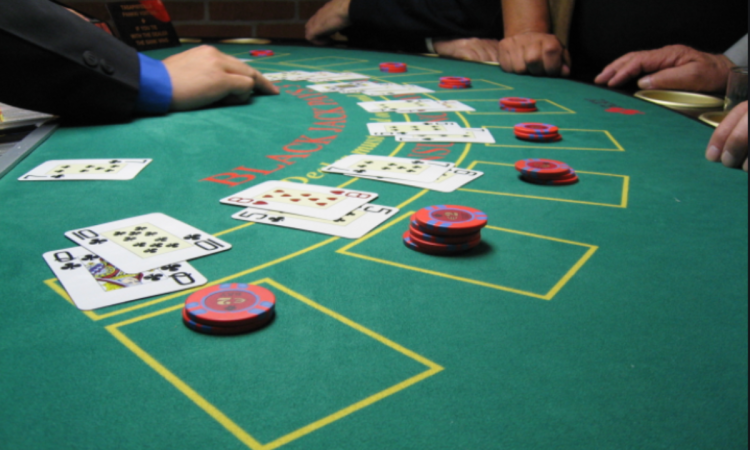
The modern gambling floor and its digital counterparts cater to a wide spectrum of player preferences. While some individuals enjoy the slow, methodical calculation of poker or the deep strategic choices of multi-deck blackjack, another massive segment of players gravitates toward pure speed and simplicity. Among all table games designed for instant action, Casino War stands out as the ultimate distillation of straightforward card play. Rooted in the universally understood childhood game of War, this casino adaptation strips away complex rules and betting matrices, offering an adrenaline-fueled experience where every single round resolves in a matter of seconds.
The Origins and Simplicity of Casino War
Casino War was developed to bridge the gap between traditional table games and slot-machine speed. Traditional card games often require beginners to memorize extensive strategy charts, hand rankings, and complex terminology before they can place a confident wager. Casino War eliminates these barriers entirely.
The premise is brilliantly simple. The game uses a standard six-deck or eight-deck shoe. Both the player and the dealer receive a single face-up card. Whichever individual holds the higher-ranking card wins the round.
-
Card Rankings: Cards follow standard poker hierarchy, ranging from the low two all the way up to the ace, which always acts as the highest card.
-
Instant Resolution: A standard round takes less than ten seconds from the initial bet placement to the final payout collection.
-
Universal Accessibility: Anyone who understands basic numerical comparison can sit down and play proficiently without a learning curve.
Understanding Ties and the War Scenario
The true excitement of Casino War occurs when both the player and the dealer draw cards of identical value. This event triggers what is known as going to war, which gives the game its name and adds a layer of strategic tension.
When a tie happens, the player faces a critical choice. They can surrender and forfeit half of their original main wager, or they can go to war by placing a secondary bet equal to their initial stake.
-
Going to War: Choosing to fight means the player commits an additional wager. The dealer then burns three cards and deals a new card to both parties.
-
Winning the War: If the player new card beats or equals the dealer card, the player wins the war and receives a payout on the secondary stake while the original main bet pushes.
-
Losing the War: If the dealer new card outranks the player card, both the original bet and the war bet are lost to the house.
The House Edge and Mathematical Realities
While the simplicity of Casino War makes it intensely appealing, players must understand the underlying mathematics. Because the rules heavily favor the house during tie scenarios—specifically when a player chooses to go to war—the house edge in Casino War is notably higher than in games like blackjack or baccarat.
The house edge on the main bet typically hovers around two percent if the player always chooses to surrender ties, but it increases significantly if the player consistently goes to war. Understanding this dynamic helps casual visitors manage their bankrolls effectively during high-speed gaming sessions.
The Appeal of Side Bets in Fast-Paced Games
To maintain player engagement, modern adaptations of Casino War frequently incorporate side bets. These optional wagers add extra volatility and the potential for larger payouts without slowing down the primary pace of the game.
The most common side bet is the tie wager, which pays out handsomely if the initial deal results in a tie. While side bets feature a substantially higher house edge compared to the main game, they appeal to players seeking high-reward opportunities on a single rapid transaction.
Why Quick Card Games Dominate Modern Gaming Floors
The rapid acceleration of daily life has shifted consumer preferences toward fast, high-impact entertainment. Players increasingly favor games that deliver immediate outcomes rather than drawn-out strategic engagements.
Quick card games fit this modern lifestyle perfectly. They allow participants to experience the thrill of risk and reward within a tight time frame, making them exceptionally popular during short gaming sessions, whether in a bustling physical resort or on a mobile smartphone application.
Frequently Asked Questions
Can card counting be applied effectively in Casino War?
Card counting is largely ineffective in Casino War because the game is typically played with a large shoe consisting of six or eight decks, and the high frequency of ties does not provide a reliable statistical advantage that outweighs the house edge.
What is the best strategic choice when a tie occurs in Casino War?
Statistically, surrendering and forfeiting half of the original main bet when a tie occurs yields a lower house edge than going to war, making it the mathematically optimal choice for preserving a bankroll over time.
Are there skill-based elements in Casino War?
No, Casino War is purely a game of chance. Players do not make strategic decisions regarding gameplay beyond choosing whether to surrender or go to war during a tie.
How many decks of cards are typically used in a Casino War shoe?
Casino War is most commonly dealt from a standard shoe containing six or eight full decks of fifty-two playing cards shuffled together to prevent prediction.
Why do side bets in Casino War feature higher house edges?
Side bets offer disproportionately large payouts for rare events, such as specific card combinations or suited ties, allowing casinos to build a larger mathematical profit margin into those specific wagers.
Can Casino War be played online with live dealers?
Yes, many online gaming platforms offer live dealer versions of Casino War, streaming real-time games from professional studios to give players an authentic casino atmosphere from home.